
Media Spotlight: Article by Molly Frank
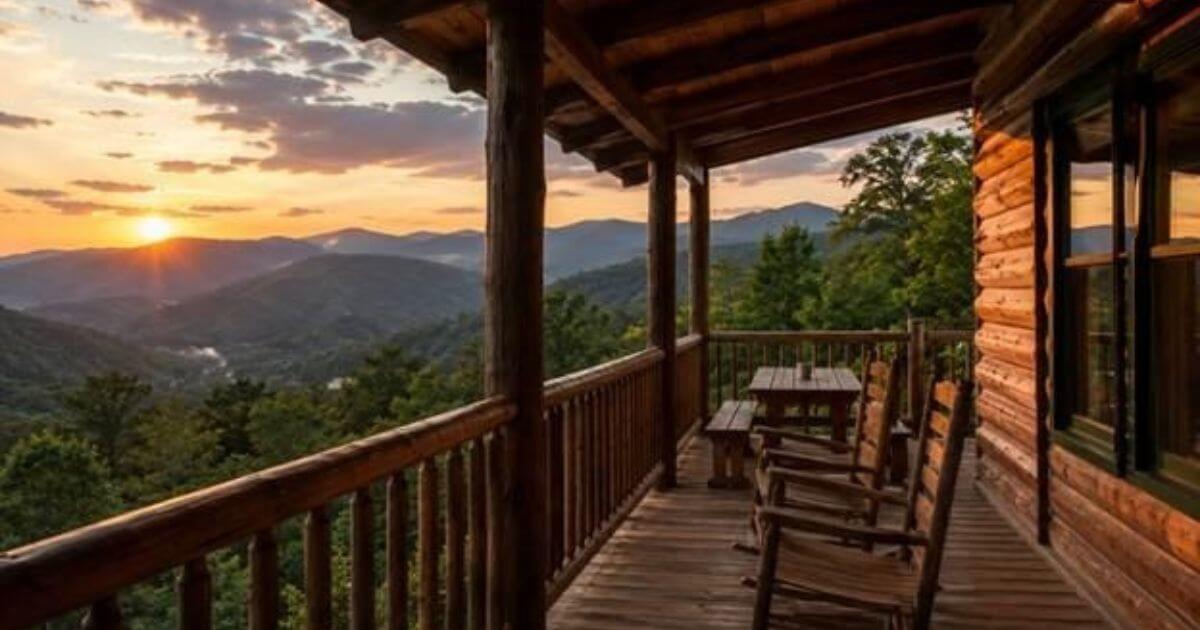
Photo Courtesy of Molly Frank
The Secret to Planning a More Relaxing Mountain Vacation
Nothing makes a vacation feel shorter than spending half of it figuring out where to go, where to eat, and why everyone suddenly wants different things. Most people leave for a mountain getaway hoping to slow down, but it is surprisingly easy to bring the same stress from everyday life along for the ride.
That is one reason Pigeon Forge continues to stand out as a destination for travelers looking to unwind. It offers a mix of natural scenery, family-friendly activities, and comfortable places to stay without requiring visitors to constantly move from one place to another. For many travelers, that balance is what makes a relaxing trip possible in the first place.
Stop Trying to Do Everything
One common mistake people make when planning a mountain vacation is treating it like a checklist. They build schedules packed with attractions, restaurants, scenic drives, and activities until every hour has a purpose. It sounds productive, but it often creates the opposite effect.
Mountain destinations work best when there is room for flexibility. Weather changes. Energy levels change. Sometimes, a quiet morning coffee with a view becomes the most memorable part of the trip. Leaving space in the schedule allows those moments to happen naturally. A vacation should not feel like another project that needs managing.
Why the Right Accommodation Matters More Than People Think
A relaxing trip often starts with choosing a place that supports the pace you want. Many travelers focus heavily on attractions while treating accommodations as little more than a place to sleep. In reality, where you stay influences nearly every part of the experience, from morning routines to evening downtime.
When travelers picture a peaceful mountain escape, they usually imagine privacy, extra space, scenic surroundings, and the freedom to slow down. Those expectations help explain why many visitors choose Pigeon Forge cabins like the ones listed with Smoky Mountain Vacation instead of traditional stays. These cabin rentals range from cozy one-bedroom retreats to large group lodges. Guests can enjoy amenities such as mountain views, fireplaces, game rooms, home theaters, indoor pools, hot tubs, and convenient access to nearby attractions while still enjoying privacy and comfort.
The appeal is not simply the accommodation itself. It is the ability to create a more comfortable home base where relaxation feels built into the trip rather than squeezed between activities.
Give Yourself Permission to Slow Down
Modern life has trained many people to stay busy. Work emails follow us everywhere. Phones make it possible to remain connected at all times. Even leisure time often gets measured by how much we accomplish.
Mountain vacations offer a chance to step away from that mindset, at least temporarily. Yet some travelers struggle with slowing down because they feel guilty if they are not constantly doing something.
The truth is that rest rarely happens by accident. It usually requires a conscious decision. Sitting on a deck, reading a book, taking a long walk, or simply enjoying a view may not sound productive, but those experiences often provide exactly what people were seeking when they planned the trip. It feels strange at first. Then it starts feeling normal again.
Choose Fewer Activities and Enjoy Them More
There is a tendency to believe that a great vacation must include as many experiences as possible. Social media has probably made this worse. Travelers often see endless highlights from other trips and feel pressure to fit everything into their own schedule.
The problem is that rushing from one activity to another leaves very little time to enjoy any of them. Instead of creating memories, people end up managing logistics. A better approach is to choose a handful of experiences that genuinely interest everyone in the group. Spend more time at each location. Allow conversations to happen. Take breaks without worrying about what comes next. Oddly enough, doing less often creates a stronger sense of satisfaction than doing more.
Plan Around Comfort, Not Efficiency
Many travel guides focus on maximizing time. While efficiency has its place, relaxation usually benefits from a different approach. For example, driving an extra thirty minutes to save a small amount of money may not always improve the experience. Packing every day with activities may look efficient on paper, but it can become exhausting in practice.
Comfort deserves consideration. A slower morning, a shorter drive, or a longer dinner can contribute more to a relaxing trip than an aggressively optimized itinerary. The goal is not to win vacation planning. The goal is to enjoy being away. This sounds obvious, but people forget it all the time.
Travel Habits Are Changing
Recent years have shifted the way many people think about vacations. Remote work, flexible schedules, and changing family routines have encouraged travelers to seek experiences that feel restorative rather than purely entertaining.
As a result, mountain destinations have gained renewed appeal. They provide opportunities to disconnect without completely disappearing. Travelers can enjoy nature, spend time with family, and reduce some of the mental noise that tends to follow them through daily life. Not every traveler is looking for constant adventure. Many are simply looking for breathing room.
Build Time for Unplanned Moments
Some of the best vacation memories happen when nothing is scheduled. A conversation that lasts longer than expected. A scenic stop that was not on the itinerary. A quiet evening spent watching the sky change color. These moments rarely appear in travel brochures because they cannot be planned. They happen when people leave enough room for them.
This is another reason overplanning often backfires. A tightly packed schedule leaves little space for spontaneity, and spontaneity is often where relaxation lives. People tend to remember how a trip felt more than how many activities they completed.
Travel With Realistic Expectations
Even the most beautiful mountain destination cannot eliminate every inconvenience. There may be traffic. The weather may change unexpectedly. Someone in the group might become tired or cranky. It happens. Relaxation becomes easier when travelers accept that small imperfections are part of the experience rather than signs that something has gone wrong.
A successful vacation is not one where everything goes exactly according to plan. It is one where unexpected moments do not completely derail the trip. That perspective removes a surprising amount of pressure.
The secret to planning a more relaxing mountain vacation is not finding a hidden destination or discovering a perfect itinerary. It is creating conditions that allow you to slow down, stay comfortable, and enjoy the experience without constantly managing it.
