
Media Spotlight: Article by Molly Frank
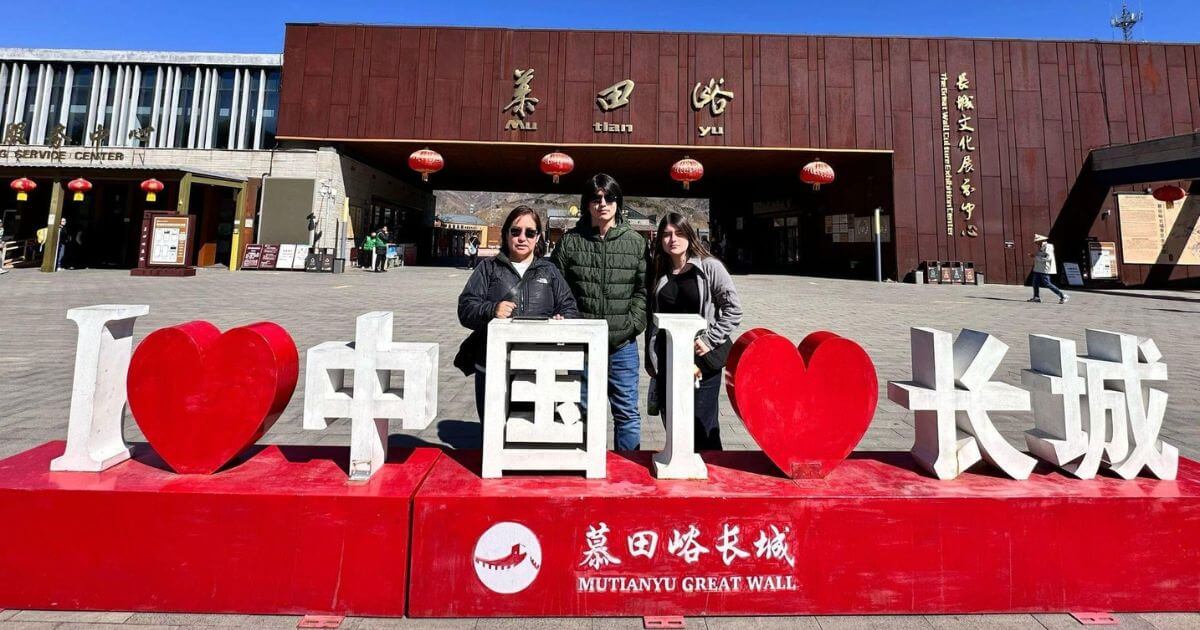
Photo Courtesy of Source
Private China Tours for Families: How to Plan a Smooth, Flexible Trip
China is one of the most rewarding destinations in Asia for a family trip, but it is also a country where the right planning makes a major difference. The distances are long, the cities are large, and many of the most famous sights require advance planning, timed tickets, local transport, and a good understanding of how to pace the day.
For this reason, many families choose private China tours instead of joining a large coach group or trying to organize every detail on their own. A private trip gives families more flexibility with the route, the daily pace, hotel choices, meal arrangements, and sightseeing time. This is especially helpful when parents are traveling with children, teenagers, grandparents, or several generations together.
A family trip to China should not feel like a race from one landmark to another. The best journeys usually combine China’s iconic sights with enough breathing room to enjoy local food, daily life, quiet neighborhoods, scenic landscapes, and meaningful cultural experiences.
Why private China tours work well for families
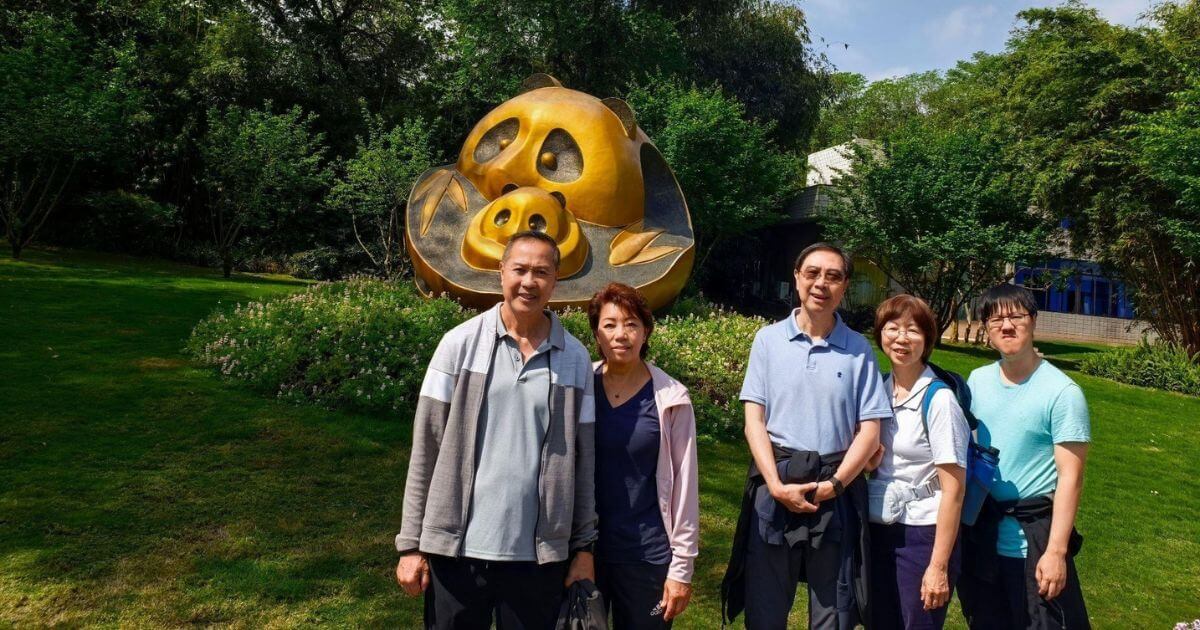
Photo Courtesy of Source
Every family travels differently. Some families want history and culture. Others care more about nature, food, photography, pandas, shopping, or hands-on local experiences. Some children enjoy museums and stories about ancient emperors, while others need more outdoor time and shorter sightseeing blocks. Older family members may prefer a slower pace, fewer hotel changes, and more comfortable transfers.
This is where private China tours can be especially useful. Instead of following a fixed group schedule, families can adjust the day around their real needs. If a child is tired after a long international flight, the first day can stay light. If parents want more time at the Great Wall, the schedule can be arranged accordingly. If grandparents are joining the trip, the route can avoid unnecessary backtracking, long walks, or overly tight connections.
A private guide also helps families understand what they are seeing. Places like the Forbidden City, the Terracotta Warriors, the Great Wall, the Temple of Heaven, and ancient city walls are much more meaningful with local context. For families, a good guide does more than explain history. They help manage timing, tickets, transport, restaurant choices, and practical questions throughout the day.
Choosing the right route for a China family tour
For many first-time visitors, the classic route is Beijing, Xi’an, and Shanghai. This combination gives families a strong introduction to China’s imperial history, ancient civilization, and modern city life.
Beijing is ideal for the Forbidden City, the Great Wall, the Temple of Heaven, the Summer Palace, and traditional hutong neighborhoods. Xi’an brings the Terracotta Warriors, the old city wall, Muslim Quarter food culture, and Tang Dynasty atmosphere. Shanghai offers skyline views, historic architecture, shopping streets, modern museums, and easy access to nearby places such as Suzhou or a water town.
Families with more time can add Chengdu for giant pandas and Sichuan food, Guilin and Yangshuo for karst landscapes and countryside scenery, or Zhangjiajie for dramatic mountains and glass bridges. These destinations can make a China family tour more varied, but they also require more careful planning because of flight schedules, train transfers, walking distances, and seasonal crowds.
The best China family tour is not always the one with the most destinations. In fact, trying to include too much is one of the most common mistakes. China is a vast country, and even with high-speed trains and domestic flights, moving between regions takes time. A good family itinerary should balance famous sights with rest time, especially during school holidays, summer travel, or peak sightseeing seasons.
Hotels, meals, and daily comfort matter
When planning private family travel in China, hotels are not just a place to sleep. Location, breakfast quality, room type, and access to transport can affect the whole experience. Families often benefit from centrally located hotels, connecting rooms where available, or larger room categories depending on the children’s ages.
Meals are another important part of the journey. Chinese cuisine is incredibly diverse, but not every family wants every lunch and dinner fixed in advance. Many private tours include hotel breakfast and leave other meals flexible, allowing the guide to recommend suitable restaurants based on the family’s tastes, schedule, and energy level.
This approach works well for families with younger children, picky eaters, vegetarian travelers, or guests who want to try local dishes without being locked into a standard group menu. It also gives families the freedom to enjoy a relaxed dinner after a long sightseeing day or choose something simple when needed.
Private transportation is another important advantage. In major Chinese cities, attractions can be spread out, and moving around with children, luggage, strollers, or older relatives can be tiring. A private vehicle helps reduce stress, especially on days with airport transfers, railway stations, multiple sightseeing stops, or long scenic drives.
What makes a private family tour in China smoother
A smooth private family tour in China usually comes down to a few practical details.
First, the itinerary should match the family’s real travel style. Some families enjoy full sightseeing days, while others prefer slower mornings and more free time in the evening. A private itinerary allows the route to be shaped around the family instead of forcing everyone into a fixed schedule.
Second, the travel distances should be realistic. China has excellent high-speed rail and domestic flights, but families should avoid too many one-night stays. Changing hotels too often can make the trip feel tiring, especially when traveling with children or older family members.
Third, the sightseeing order matters. Visiting the right places at the right time of day can make a big difference. For example, the Great Wall is often better with an early start. Large attractions such as the Forbidden City, Summer Palace, Terracotta Warriors, and Zhangjiajie National Forest Park need thoughtful routing to reduce unnecessary walking and waiting.
Fourth, families should allow room for local experiences. A dumpling-making class, a panda visit, a calligraphy activity, a bike ride on Xi’an’s city wall, a food walk, or a slower evening by the Bund in Shanghai may become just as memorable as the major landmarks.
When to use a China-based private travel specialist
Families can book hotels and trains by themselves, but China is often easier with local support. Real-name ticketing, train station logistics, attraction reservations, domestic transport, language barriers, and regional travel rules can all affect the experience.
A China-based private travel specialist can help design the route, arrange local guides, book private vehicles, suggest suitable hotels, coordinate domestic flights or trains, and adjust the itinerary when needed. This is particularly useful when the trip includes multiple cities or more complex destinations such as Zhangjiajie, Guilin, Tibet, Yunnan, or the Silk Road.
For families planning a tailor-made China tour, local knowledge is especially valuable. The right support can help avoid rushed routing, unsuitable hotels, overly long travel days, or unrealistic sightseeing plans. It can also make the trip feel more personal, with a pace that respects different ages, interests, and comfort levels.
Practical tips for planning a family trip to China
Start by deciding how many days your family can travel comfortably. For a first trip, 8 to 12 days is usually enough for Beijing, Xi’an, and Shanghai, possibly with one additional destination. A 14 to 17-day trip allows a richer route with Chengdu, Zhangjiajie, Guilin, or another region, but the schedule should still avoid too many back-to-back travel days.
Think carefully about the season. Spring and autumn are generally comfortable for sightseeing. Summer is popular for families because of school holidays, but some cities can be hot and crowded. Winter can be quieter and more affordable, though northern China is cold and some outdoor sightseeing may require warmer clothing.
Be realistic about walking. Many famous attractions in China are large. The Forbidden City, Summer Palace, Great Wall, Terracotta Warriors, and Zhangjiajie all involve time on foot. A private itinerary can help manage this by choosing better routes, using cable cars where appropriate, and building in rest stops.
Finally, leave some flexibility. A private family trip should not feel like a checklist. Children may remember feeding pandas, making dumplings, riding a high-speed train, walking through a local market, or seeing Shanghai’s skyline at night more vividly than another formal museum visit. The most successful family trips often combine major sights with relaxed local moments.
Final thoughts
China offers extraordinary variety for families: ancient capitals, modern skylines, mountain landscapes, pandas, rivers, villages, food culture, and thousands of years of history. The challenge is not finding things to see. The challenge is shaping the journey into something comfortable, meaningful, and realistic.
That is why private China tours are often a strong choice for families who want more than a standard group itinerary. With the right route, good local guides, comfortable hotels, private transportation, and a pace that fits the family, a trip to China can become one of the most memorable journeys a family takes together.
