
Media Spotlight: Article by Molly Frank
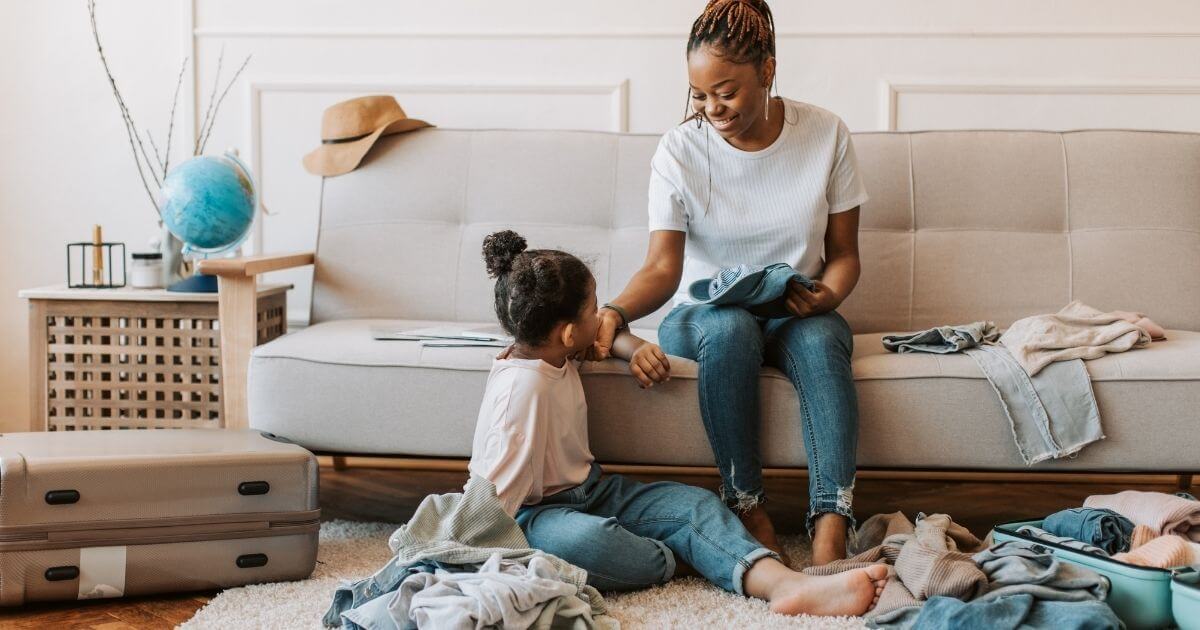
How Families Can Prepare Their Home Before a Long Vacation
(So You Don’t Come Back to a Mess, a Leak, or a Headache)
When you’re planning a family vacation, your attention usually goes to all the exciting details — flights, packing, making sure everyone has the right shoes, sunscreen, or snacks. But one thing homeowners often forget is that your house keeps living while you’re gone. Weather keeps changing, dust keeps settling, and water always finds its way to the lowest point.
After years of working on homes, cleaning windows, checking gutters, repairing exterior damage — we’ve learned something simple but true: the more attention you give your home before you leave, the less stress you’ll deal with when you return. A little foresight can prevent leaks, smells, electrical issues, or even pests that love an empty, quiet house.
Here’s how to leave your home in good hands before locking the door and heading off.
1. Start Outside : That’s Where Problems Begin
When you come back from a trip, you want to walk up your driveway and see a home that looks exactly the way you left it. But if something goes wrong, it often starts outside. Rainstorms, wind, and temperature swings can expose small weaknesses that grow into real problems over a week or two.
Before you head out, spend 15–20 minutes walking around your property. Don’t rush — this isn’t just a chore, it’s a peace-of-mind check.
- Clean out gutters and downspouts. Debris from fall leaves or dust storms can plug downspouts faster than you’d think. When water can’t flow, it backs up and spills over the edge straight down siding, behind trim, or into window frames. That moisture doesn’t care that you’re on a beach somewhere.
- Check the windows. Look for worn caulking or gaps around frames. Dirt buildup can trap water, while loose seals can let in cold air or bugs. Give the glass a quick clean while you’re at it, it makes spotting issues easier and keeps things looking cared for.
- Inspect siding, vents, and door thresholds. Sometimes a tiny gap under a door is all it takes for a mouse to move in when the weather cools down. Sealing small openings saves you from unpleasant surprises later.
Realistically, it’s often easier to let a professional handle it. If you’re in the area, feel free to reach out to Wonder Wash. We take care of the windows, siding, and gutters so your home’s in top shape before you head out.
2. Clean With Purpose, Not Perfection
The phrase “clean house before vacation” usually means cramming one last load of laundry and wiping the counters. But the real goal of cleaning before you travel isn’t beauty — it’s prevention. You’re keeping smells, mold, and bacteria from festering while your house sits closed up.
Think of it as setting the stage for your return.
- In the kitchen, toss anything that could rot or smell. Empty the compost, and take garbage out to the bins — not the garage, but right outside. Wipe up sticky spots on counters and floors; even small crumbs can attract ants or flies if the weather warms up.
- In the bathrooms, scrub sinks and drains. Pour a bit of water or vinegar down rarely used drains to keep the traps from drying out. Bacteria and gunk like to settle there, especially when no one’s running water for a week or two.
- In the rest of the house, dust window tracks, tops of shelves, and vents. That thin layer of grime traps humidity and odors, and when windows are closed for days, the air can start to smell stale.
A purposeful clean doesn’t have to take hours. It’s about being intentional, not chasing perfection, but creating a fresh, dry, and neutral environment that will welcome you home.
3. Keep the House Lived-In (Even When You’re Not There)
A dark, still home can stand out on a street that’s used to seeing movement. Security is about perspective, not just locking doors, but making sure your home still looks alive.
Here’s how to do that easily:
- Timers are your friend. A few inexpensive plug-in timers can make lamps or porch lights turn on and off in realistic patterns. If you have smart bulbs, even better — vary the schedule slightly to mimic your usual habits.
- Mail and packages. There’s nothing that says “no one’s home” like a stack of flyers wedged in the door. Put your mail on hold or ask a neighbour to collect it.
- Neighbours and community. Let a trusted neighbour know your plans. They don’t need to babysit the house, just keep an eye out for anything odd, like a storm-damaged tree branch or a flickering light.
One more underrated habit: leave the curtains partly open. Totally closed blinds can signal you’re away for longer periods. A slightly open look with lights coming on occasionally — feels natural and occupied.
The goal is simple: create the illusion your home is just living its normal life while you’re off living yours elsewhere.
4. Manage the Quiet Systems — Heat, Water, and Power
The most expensive surprises often come from the systems you forget are even there. They’re quiet, efficient, invisible... until something goes wrong.
Start with your thermostat. Don’t shut it off completely. In Canadian winters especially, that’s risky — even if your pipes don’t freeze solid, rapid temperature swings can cause condensation or stress on walls and windows. Keep the temperature steady, just lower than normal (around 15–17°C).
Next, water systems. Turn off what you can. Laundry machine valves, outdoor taps, and irrigation systems should be shut if you won’t be home for a while. If you have a sump pump, pour a couple of buckets of water into the pit to make sure it still cycles properly. It’s one of those “set it and forget it” systems… until it fails.
For power, unplug electronics that won’t be used such as small appliances, chargers, entertainment systems. It’s not about saving power; it’s about avoiding power surges or fire risks. Leave only essentials like the fridge or security systems connected.
These quiet checks aren’t flashy, but they’re the reason you’ll come home to everything exactly as you left it.
- Take a Slow Walkthrough Before You Go
You’ve cleaned, checked systems, and packed the car. You’re ready to go but don’t rush this last step. That final walkthrough is your last line of defense and one of the most valuable five minutes you’ll spend.
Start upstairs and work your way down, room by room. Look for anything that hums, drips, or runs. Double-check the oven, faucets, lights, and plugs. Peek into window corners any condensation or drafts? Close curtains to a comfortable halfway point so heavy sun doesn’t bleach the furniture while you’re gone.
Step outside once more before you get in the car. Walk the perimeter. Make sure all tools, ladders, or garden items are stowed — wind loves to toss things around when no one’s watching. Check downspouts one last time and give the front door a firm pull to ensure it’s latched snugly.
When everything looks quiet, you’ll feel it, that moment when your home is secure, still, and waiting. That’s the feeling that lets you drive away relaxed, not second-guessing.
Coming Home Should Feel Like a Deep Breath
The best vacations end with a gentle kind of satisfaction — tired but happy, ready for your own bed again. And nothing spoils that like walking into a house that smells off, looks messy, or worse, has been damaged while you were gone.
Coming back from a trip should feel relaxing, not like you’re stepping into a list of chores. Preparing your home before you go isn’t about perfection; it’s about peace of mind.
A well-cared-for home stays fresh, safe, and exactly how you left it. And if you ever need a hand with the exterior side of things, from windows to gutters, feel free to reach out to Precision Window Washing. We’ll make sure your home is ready for wherever life or your next trip takes you.
